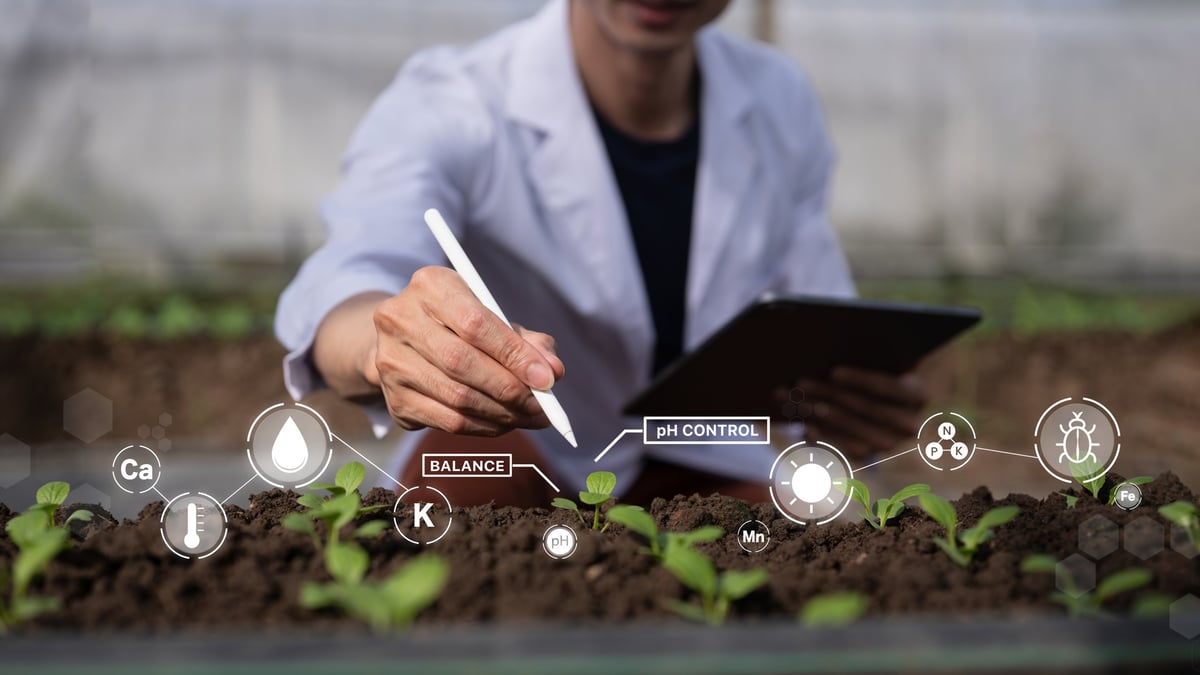
Regenera is building a research and validation framework grounded in science, field testing, and measurable outcomes. We are pursuing partnerships with universities, technical experts, and agricultural professionals to evaluate and improve the effectiveness of our programs and initiatives.
Our research framework spans current evidence gathering, pilot trials in progress, a defined validation methodology, planned future studies, and research partnerships being actively pursued.
Pursuing partnerships with academic institutions to advance agricultural science, validate solutions, and create educational opportunities for the next generation.
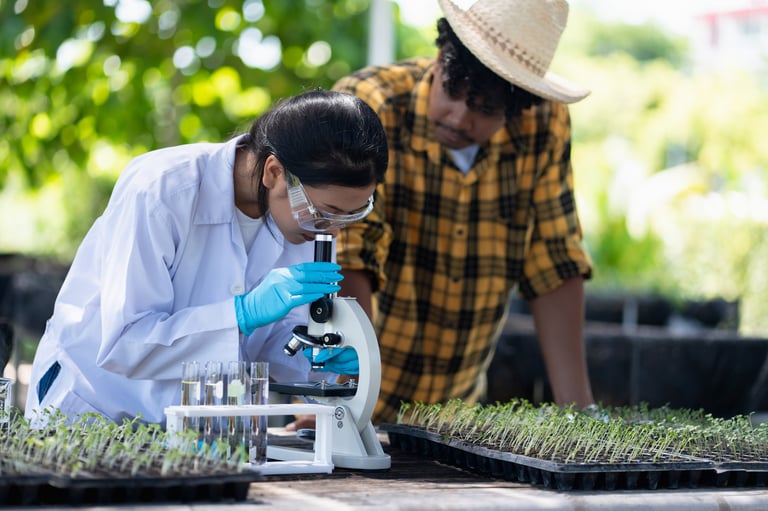
Agricultural Universities
Advancing science and innovation
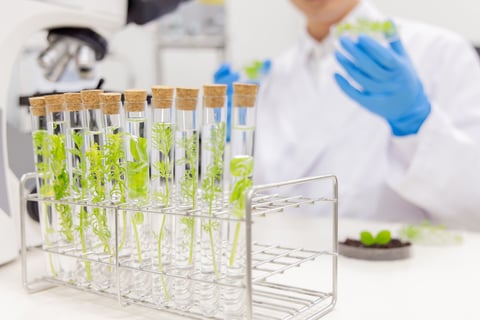
Soil Health Research
Biological soil systems & regenerative practices

Extension Programs
Producer education & cooperative outreach
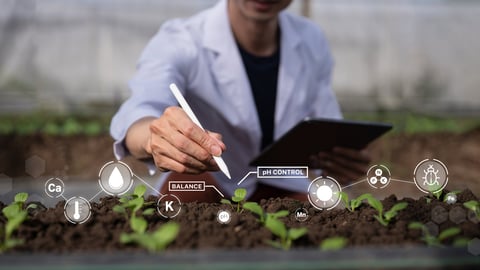
Food System Development
Resilient & sustainable regional food production
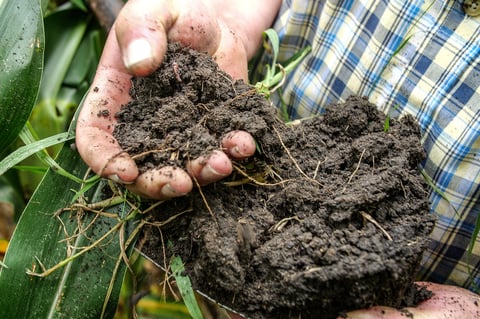
Workforce Education
Training the next generation of ag professionals
Regenera is developing a comprehensive technical review framework to evaluate efficacy, safety, and measurable agricultural outcomes across our programs and solutions.
Agronomic Review
Product performance across diverse conditions
Soil Health
Carbon sequestration & nutrient cycling
Validation
Planned independent review & compliance verification
Assessment
Ongoing measurement of effectiveness & impact
Environmental
Water quality, biodiversity & ecological health
Economic Impact
Return on investment for producers & communities
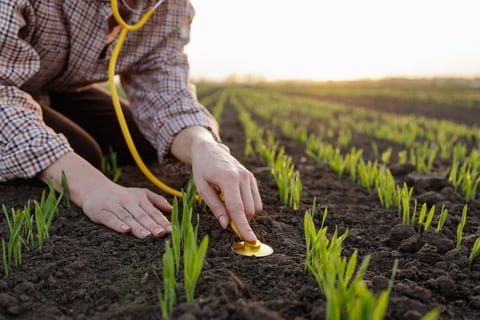
Field Evaluation
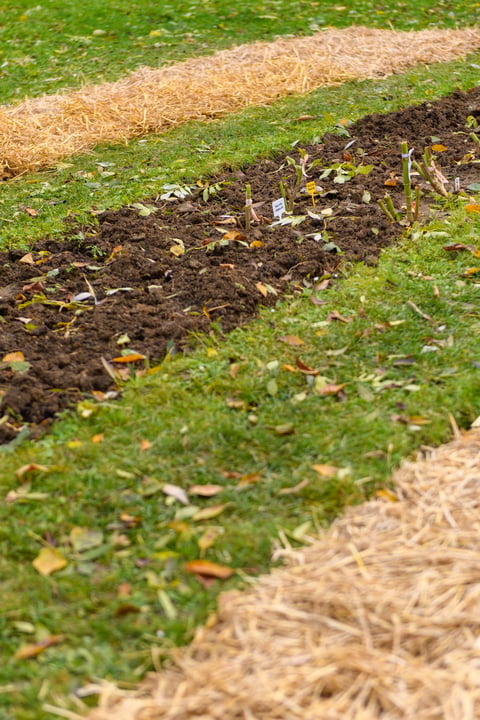
Soil Care Practices
Collaboration drives innovation. Regenera partners with a diverse network of organizations — and validates every solution through rigorous real-world testing.
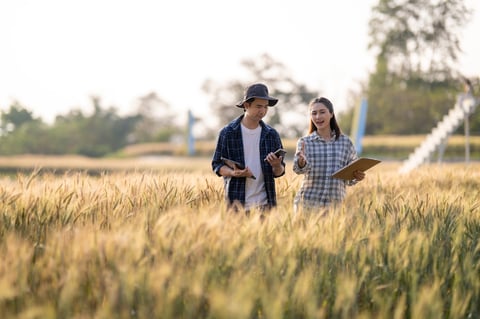
Universities
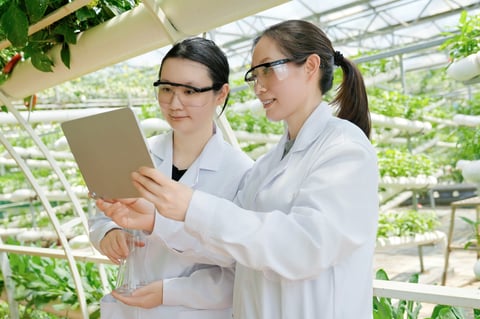
Research Institutions
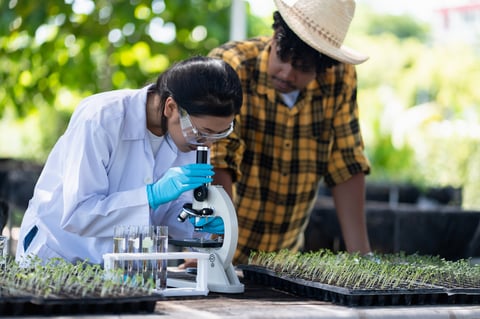
Conservation Agencies
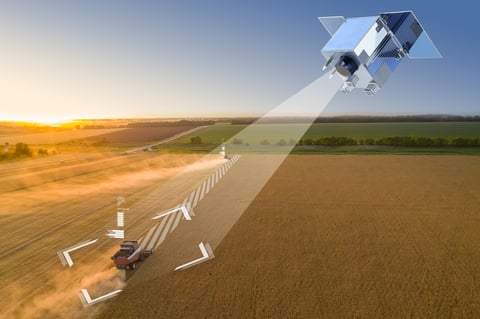
Agricultural Orgs

Public Initiatives
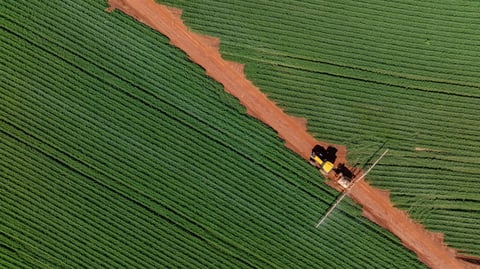
Private Sector Partners
Field Trials
Soil Health Monitoring
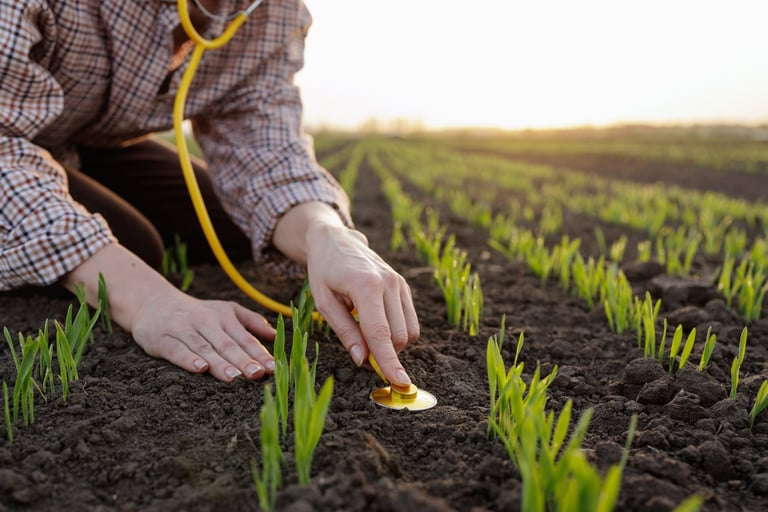
Demo Projects
Conservation Outcomes
Performance Tracking
Our planned validation methodology — a systematic process designed to test, validate, and continuously improve every solution through rigorous scientific methodology.
Research
Identify challenges & develop evidence-based solutions
Testing
Rigorous lab & controlled environment evaluation
Field Validation
Real-world testing with producers under diverse conditions
Technical Review
Peer & expert evaluation of methodology and outcomes
Implementation
Deploy proven solutions through programs & partnerships
Continuous Improvement
Ongoing monitoring, feedback & refinement for lasting impact

Laboratory Research
Field Testing
Measurable Results
Regenera is committed to product quality and transparency. We are implementing a rigorous quality control framework to ensure inputs meet defined standards for safety and integrity.
Evaluation of input suppliers against defined quality and sourcing criteria before material acceptance.
Documented tracking of materials from source through processing, storage, and distribution to maintain traceability.
Targeted laboratory analysis for pesticide residues and contaminants using validated testing protocols and qualified laboratories.
Biological testing using sensitive plant species to detect phytotoxic effects or unintended chemical activity in materials.
Quality-controlled lot management with defined hold-and-release procedures tied to testing and verification checkpoints.
Procedures for evaluating and mitigating pesticide drift exposure risk across growing and handling operations.
Regenera does not intentionally add pesticides to its products. Input materials are selected and screened to minimize pesticide-related risks. Internal testing thresholds and confidential procedures are maintained as proprietary quality control information and are not published externally.
We do not make an absolute "pesticide-free" claim. Agricultural inputs are inherently complex, and we believe honest, science-based communication about our quality control efforts is more meaningful than unverifiable absolutes.
We welcome inquiries from universities, research institutions, and extension programs. Tell us about your research interests and how we might collaborate on advancing soil science, regenerative agriculture, and sustainable food systems.

Advancing soil science and regenerative agriculture through university partnerships, field validation, and data-driven research.