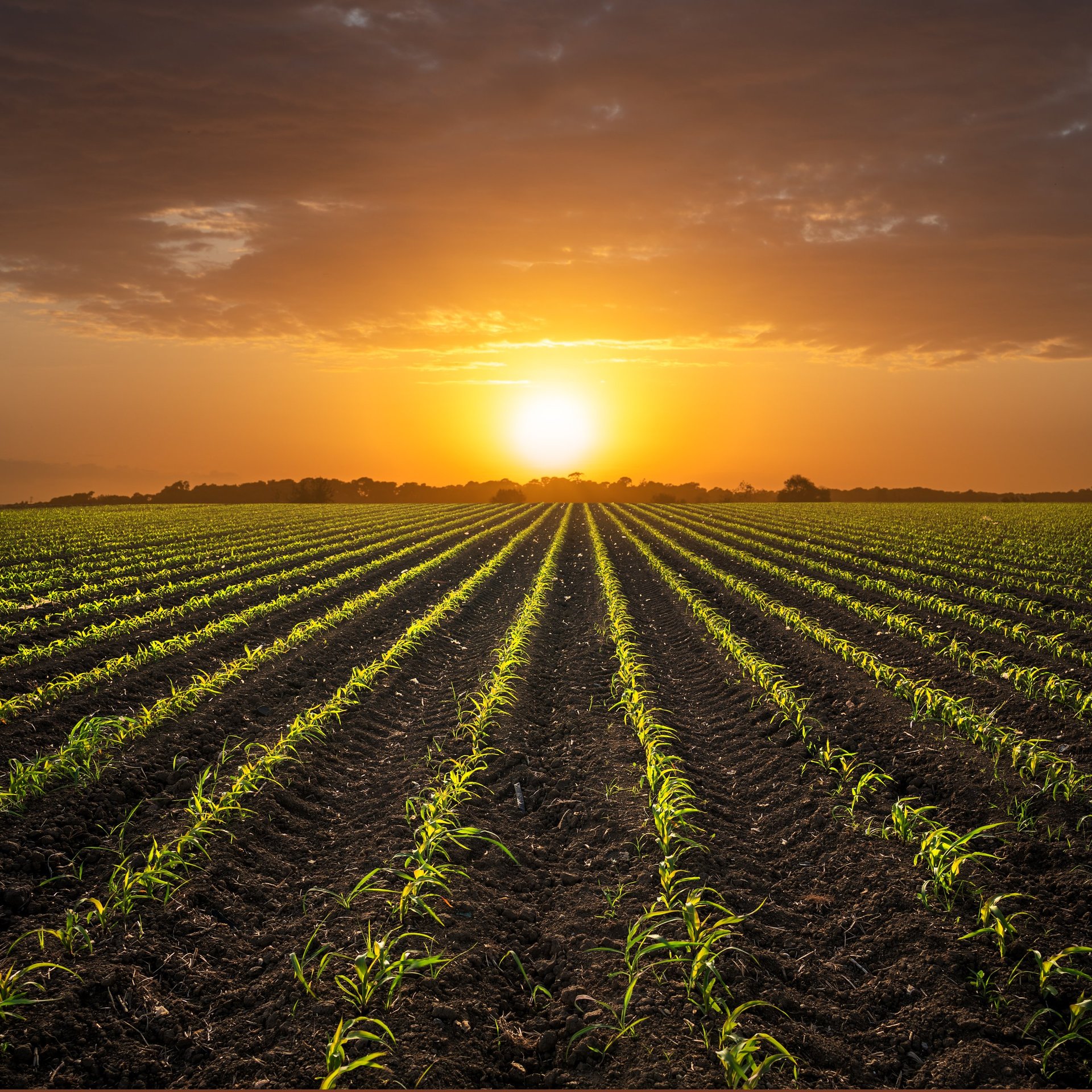
young corn plants on cornfield against sunset. High quality photo
Food Security Initiative | Regional Production · Soil Health · Community

Strengthen Regional
Food Security Together

Food security begins with healthier soils, resilient growers, and regional agricultural infrastructure. Regenera partners with producers, communities, educators, conservation groups, and public agencies to support practical food-system resilience from soil to shelf.

Regional Food Focus
Soil-to-shelf production pathway
Producer Partners
Qualified grower collaboration
Community Programs
Local resilience initiatives
Soil Health
Foundation-first approach
Potato cultivation field and olive trees row at sunrise in Maremma
Why Food Security Matters

Strengthening Local
Food Production

Reliable food systems depend on healthy soil, practical growing support, and regional production pathways.

01

Supply-Chain Resilience

Regional networks reduce dependency on distant supply chains and build local capacity.

Strengthened by Local Inputs
02

Regional Food Access

Connecting producers directly to communities shortens supply chains and improves food access.

Enabled by Producer Networks
03

Soil Health Response

Healthy soil is the foundation — supporting nutrient-dense crops and climate resilience.

Powered by Microbiology
Regional Agricultural Infrastructure

Building Sustainable
Agricultural Systems

Regenera's model connects soil-health support, local production, and regional partnerships into a practical food-system pathway.

1 Step One

Regional Inputs & Soil-Health Support

Locally produced topsoil amendments and mineral-based soil conditioners can support growers with what they need — potentially reducing costs and supply-chain risk where soil and crop conditions align.

2 Step Two

Healthier Soil, Long-Term Resilience

Regenerative practices are associated with improved soil biology, water retention, and may build resilience against drought and climate volatility — depending on soil type, climate, and management.

3 Step Three

Grower Support & Farm Partnerships

Field trial opportunities, technical assistance, and collaborative research help growers adopt and refine regenerative practices.

4 Step Four

Local Food Access, Producer-to-Community

Shortening the distance from producer to community improves freshness, reduces waste, and strengthens local economies.

The Outcome

Community Resilience, Built Closer to Home

When all five steps work together, communities gain food independence, stronger rural economies, and generational agricultural skills.

Potato cultivation field and olive trees row at sunrise in Maremma
Food Security Through Soil Health

Healthy Soils.
Stronger Food Systems.

Healthy soils support crop resilience, water retention, nutrient cycling, and long-term productivity — all important foundations for regional food security.

Nutrient-Dense Food

Living soils are associated with crops that may have higher mineral content and improved nutritional profiles — potentially benefiting community health, depending on soil, crop, climate, and management.

40% more soil organic matter observed in some regenerative systems (varies by soil type, climate, and management)

Water Retention

Healthy soil can support improved water-holding capacity, which may help buffer against drought conditions depending on soil type and management practices.

Climate Resilience

Regenerative soil practices are associated with carbon storage and may help buffer against weather variability depending on soil, crop, and climate conditions.

Biodiversity Support

One teaspoon of healthy soil contains more microorganisms than people on earth — thriving ecosystems start underground.

The Foundation

Everything we grow depends on what's beneath our feet. Soil health is the starting point for food security.

Regional Food Security Model

How Regional Food Security
Comes Together

Every strong food system follows a practical pathway — from healthy soil to long-term community resilience.

1 Healthy Soils

Restoring soil biology through regenerative practices can support the foundation. Mineral and organic inputs may enhance microbial life and nutrient cycling, depending on soil and climate conditions.

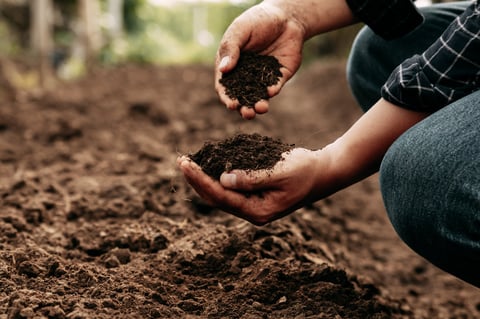
Hand of farmer inspecting soil Soil testing & biological amendments
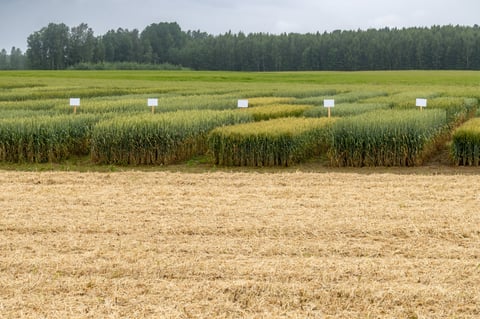
Field trial plots with identification signs Field trials & crop monitoring
2 Stronger Crops

Multi-site field trials help evaluate what works. Improved soil can support stronger crop performance, depending on crop, climate, water, soil condition, and management. Soil condition and mineral availability may influence crop quality and nutrient composition.

3 Local Food Access

Shortening the producer-to-community pathway. Regional processing, distribution, and market connections keep value local.

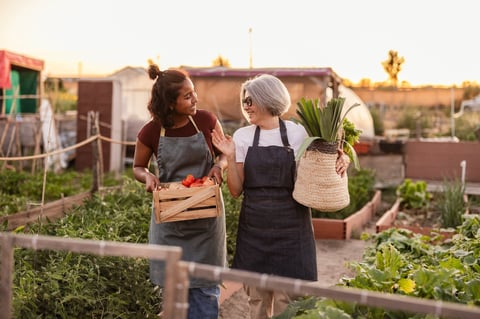
Community members with harvested produce Farmers markets & regional hubs
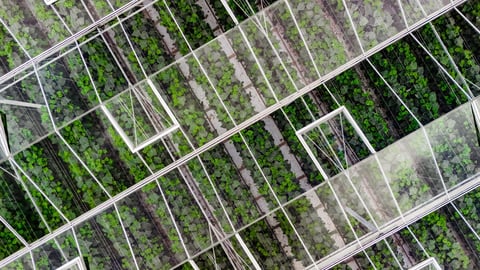
Modern agricultural facility aerial view Regional infrastructure investment
4 Community Resilience

When local food systems thrive, communities may benefit from greater economic stability, improved food access, and generational opportunity — depending on regional conditions and program participation.

The Result

Food Security Strengthened

A more resilient regional food system where healthy soils, supported growers, and connected communities can work together — depending on local conditions and sustained participation.

Long-Term Pathway

Building the Future of
Regional Food Systems

When communities invest in food security, the benefits extend far beyond the farm — creating lasting economic, environmental, and social value.

Food Independence

Regional self-sufficiency through local production — reducing dependence on volatile global supply chains while building community wealth.

Vision 2030

Stronger Rural Economies

Jobs and investment that stay in the community — from processing facilities to distribution networks.

Local impact

Workforce Development

Building skills for the next generation of agriculture — from STEM education to hands-on field training.

Generational
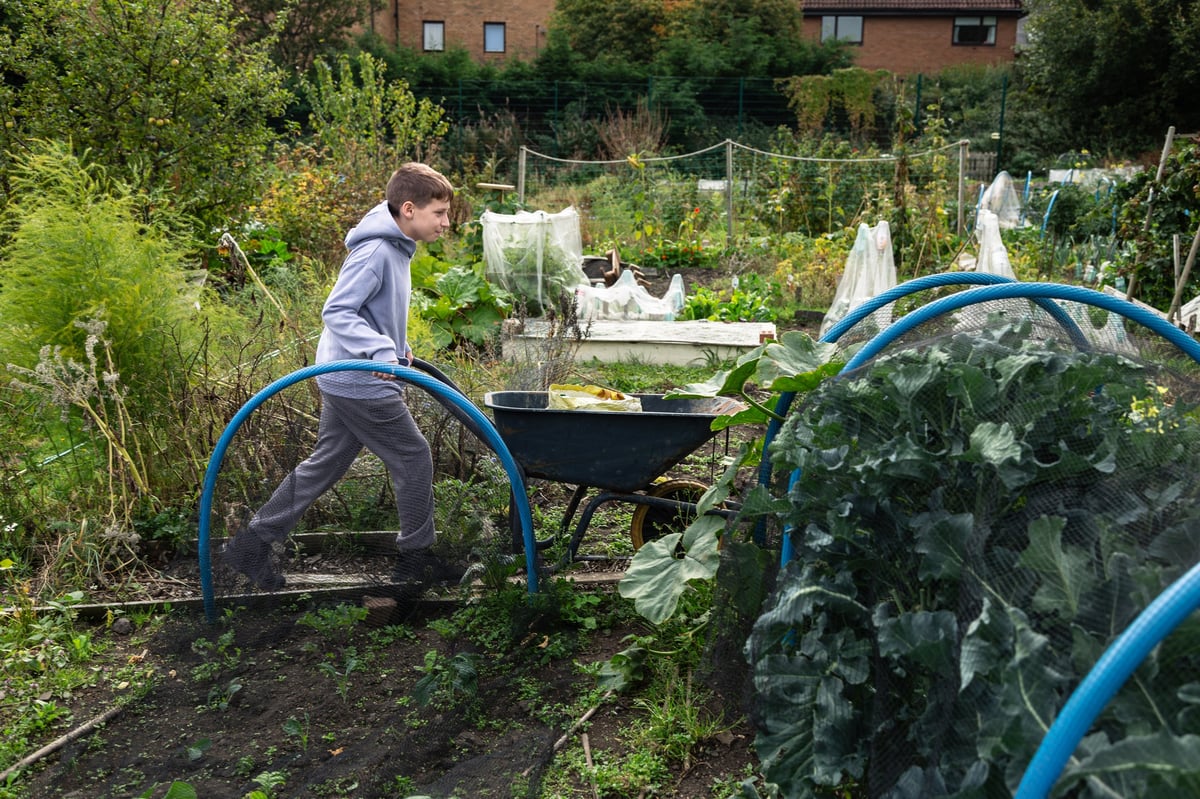
A young boy pushes a wheelbarrow along a path in a community garden full of green plants and vegetables
Growing the Next Generation

When young people connect with agriculture, communities plant seeds that will grow for decades.

The path forward is regional, regenerative, and built together. Every producer, community, and partner plays a role in shaping food systems that last.

Join the Movement
Supporting Growers & Communities

Benefits for
Producers & Communities

The Food Security Initiative creates value across the entire food system — from growers to consumers to communities.
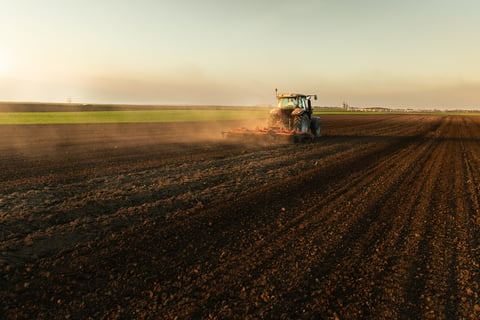

Farmer preparing his field in a tractor ready for spring

For Growers

  • Locally produced organic fertilizer
  • Soil-health improvement support
  • Technical & field trial opportunities
Two women carrying harvested produce in a community garden

For Communities

  • Greater access to locally grown nutritious food
  • Local job creation and economic development
  • Environmental benefits from sustainable agriculture
Two farmers shaking hands in a green vegetable farm

For Partners

  • Food security & agricultural development alignment
  • Measurable community and environmental impact
  • Collaborative program development
References & Further Reading

Research &
Evidence

The soil health and food security concepts referenced throughout this page are informed by a growing body of research. Below are selected sources for those who wish to explore the evidence.

A close-up of the soil layers, from rich green grass to dark earth, light sand and murky water. The texture of each layer and the color differences are visible.
Soil Science

Healthy soils are living ecosystems — the foundation beneath every harvest.

Vegetable growing in organic farm. Male scientist working in organic vegetables farm. Agricultural researcher studies research in greenhouse farm. Botanist research soil at vegetable farm.
Field Research

Scientists and growers work together to validate what builds resilient soil.

Young corn seedlings with roots
Root Systems

Deep roots anchor crops and channel carbon into the soil profile.

Nutrient Density

  • • Montgomery, D.R. & Biklé, A. (2022). What Your Food Ate. W.W. Norton. Examines the link between soil health and crop nutritional quality.
  • • Mayer, A. et al. (2015). "Historical changes in the mineral content of fruits and vegetables." British Food Journal. Documents trends in nutrient decline associated with soil depletion.
  • • Reeve, J.R. et al. (2016). "Organic farming, soil health, and food quality." Advances in Agronomy. Reviews connections between organic practices and food nutrient profiles.

Water Retention

  • • Lal, R. (2020). "Soil organic matter and water retention." Agronomy Journal. Discusses how increasing SOM by 1% can increase available water capacity.
  • • Hudson, B.D. (1994). "Soil organic matter and available water capacity." Journal of Soil and Water Conservation. Foundational research on SOM-water relationships.
  • • Basche, A.D. & DeLonge, M.S. (2019). "Comparing infiltration rates in soils managed with conventional and alternative farming methods." PLOS ONE.

Carbon Storage

  • • Paustian, K. et al. (2016). "Climate-smart soils." Nature. Review of soil carbon sequestration potential and practices.
  • • Lal, R. (2004). "Soil carbon sequestration impacts on global climate change and food security." Science. Seminal paper on soil carbon as a climate strategy.
  • • Minasny, B. et al. (2017). "Soil carbon 4 per mille." Geoderma. Global assessment of soil carbon sequestration feasibility.

Yield & Climate Resilience

  • • Pittelkow, C.M. et al. (2015). "Productivity limits and potentials of the principles of conservation agriculture." Nature. Meta-analysis of yield outcomes under conservation practices.
  • • Altieri, M.A. et al. (2015). "Agroecology and the design of climate change-resilient farming systems." Agronomy for Sustainable Development.
  • • Rodale Institute (2020). "Farming Systems Trial: 40-Year Report." Long-term data on regenerative vs. conventional systems including yields under drought.
Important Note

These citations are provided for informational purposes. Individual results may vary significantly depending on soil type, climate, crop selection, management practices, and local conditions. Regenera makes no claims that specific outcomes can be guaranteed. Readers are encouraged to consult the original research for full context, methodology, and limitations.

As Featured at FreedomFest

Food Security Is
National Security

A nation that feeds itself remains independent. Regenerative agriculture — rooted in healthy soils, regional production, and producer independence — is not just an environmental priority. It is a national security imperative.

Soil Health Food Independence National Security Producer Freedom

Strategic Autonomy

Reducing dependence on foreign food imports and fragile global supply chains strengthens national resilience.

Producer Independence

Free and independent producers — not centralized control — are the foundation of a secure, resilient food supply.

Generational Legacy

Investing in soil health today means food security for the next generation — a long-term national priority.

Presented at FreedomFest • Where free minds meet to celebrate liberty, prosperity, and security

Sunset over growing soybean plants at ranch field
Partner With Regenera

Let's Strengthen
Food Security Together

Whether you're a producer, educator, community leader, conservation partner, or government organization, Regenera is building collaborative solutions that support stronger regional food systems.