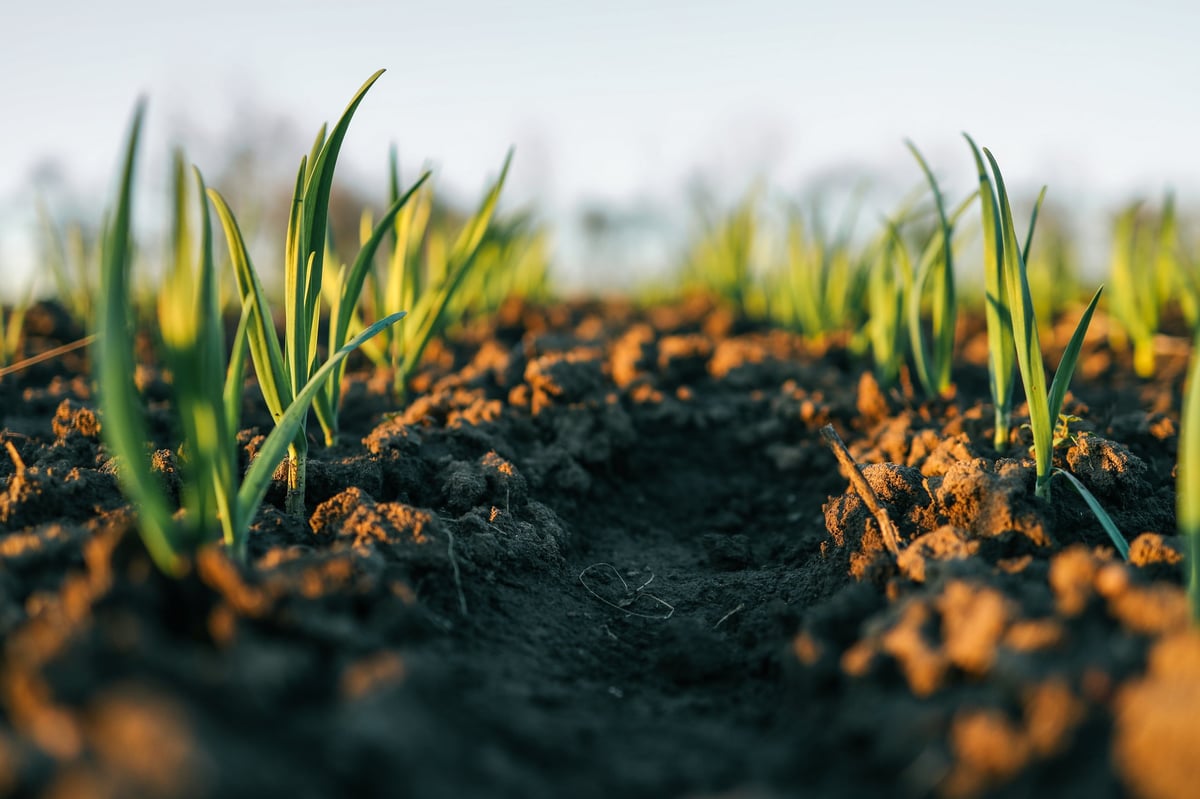
A voluntary USDA-NRCS program that provides financial and technical assistance to agricultural producers. EQIP helps plan and implement conservation practices that address natural resource concerns while improving agricultural operations.
This page provides educational information only. Regenera is not a government agency and does not guarantee program eligibility, ranking, or funding.
The Environmental Quality Incentives Program (EQIP) is a voluntary conservation program administered by USDA's Natural Resources Conservation Service. It provides financial and technical assistance to agricultural producers and forest landowners.

Submit an application at any time through your local USDA Service Center with periodic ranking cutoff dates.

NRCS planners work one-on-one with you to develop a comprehensive plan tailored to your land and goals.

Applications ranked by environmental benefits and cost-effectiveness. Higher-ranked receive priority.

If selected, sign an EQIP contract and begin implementing approved practices with NRCS guidance.
This is informational content about the EQIP program. Regenera is not a government agency and does not administer EQIP. We do not guarantee eligibility, ranking, or funding. All EQIP applications must be submitted through your local NRCS field office. For official information, visit nrcs.usda.gov.
EQIP supports a wide range of conservation practices. Below are examples commonly relevant to agricultural producers. Actual eligibility depends on your location, land type, and NRCS state-level priorities.
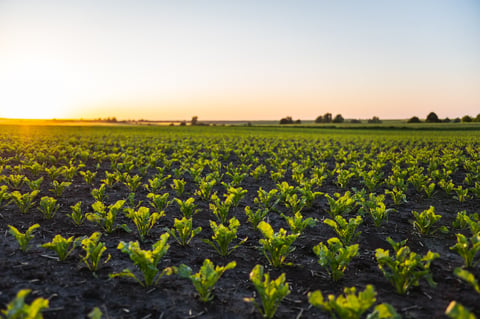
Improve water use efficiency through better scheduling, measurement, and delivery systems.

Reduce erosion, improve soil health, increase organic matter, and enhance water infiltration.
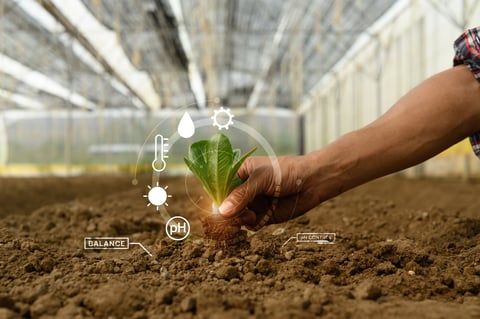
Apply the right fertilizer source, at the right rate, at the right time, in the right place.

Minimize soil disturbance to build organic matter, reduce erosion, and sequester carbon.

Manage grazing to improve plant health, forage quality, and protect water quality.
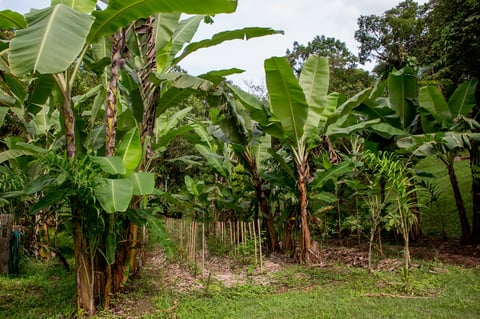
Establish hedgerows for wildlife habitat, pollinator forage, beneficial insects, and erosion control.
NRCS Conservation Practice Standard 610 — Saline and Sodic Soil Management — focuses on managing land, water, and plants to reduce the impacts of salts and sodium in soil.
Practice Code 610 — Saline and Sodic Soil Management — is an NRCS conservation practice standard focused on managing land, water, and plants to reduce the impacts of salts and sodium in soil. It helps producers address salinity and sodicity concerns that limit crop productivity and soil function.
The practice may involve assessing soil salinity and sodicity, improving drainage, managing irrigation water quality, and selecting salt-tolerant vegetation or amendments where appropriate.
Regenera's soil and water assessment work can provide useful baseline data to support planning and documentation where saline or sodic soil concerns are present.
Important: Practice 610 eligibility, specifications, and payment rates are determined solely by NRCS. Regenera's soil services are independent of NRCS and do not guarantee practice approval or funding.
These steps will help you start the EQIP process and prepare for a conservation plan that fits your operation.
Find your local USDA Service Center using the NRCS Office Locator. Your local conservationist will guide you through the application process.
Compile land ownership or lease documents, farm tract numbers, crop history, and any existing conservation plans or soil tests.
Think about what you want to improve: soil erosion, water quality, nutrient runoff, grazing land health, wildlife habitat, or other environmental concerns.
Applications are accepted year-round at your local NRCS office. Ranking cutoff dates vary by state — ask your conservationist about deadlines.
Work with an NRCS planner to develop a comprehensive plan. If approved, sign a contract and receive financial assistance for implementing practices.
Regenera reviews conservation-related inquiries based on project location, current capacity, the agricultural condition being addressed and the type of support requested. Availability is evaluated on a project-by-project basis.

Project-Led Support
Downloadable documents to help you prepare for EQIP and understand conservation programs.
NRCS Conservation Resources Guide
PDF Download
Official NRCS EQIP Fact Sheet
External Link — nrcs.usda.gov
These resources are for educational purposes only. Regenera is an independent organization and is not affiliated with USDA or NRCS.
EQIP provides financial and technical assistance to help agricultural producers implement conservation practices. Start a project review to discuss whether Regenera's field intelligence work can support your conservation planning.